Why On‑Site Treatment Is Becoming a Smarter Choice for UK Businesses

Food waste remains one of the UK’s toughest environmental challenges. Each year, millions of tonnes of food are binned. While much is avoidable, a significant portion is inevitable for manufacturers and the hospitality sector.
In recent years, household waste has received most of the attention, and for good reason: councils across the country are rolling out weekly food waste collections as part of new environmental targets and the shift toward a more circular economy.
This move is great for sustainability, but less widely discussed is the impact this is having on the businesses that also rely on food waste treatment infrastructure. As more household waste starts entering the system, the economics of waste processing are shifting, and industrial producers are increasingly feeling the squeeze.
When more collection creates new pressure
With weekly household food waste collections becoming the norm, anaerobic digestion (AD) and composting facilities are seeing rapidly increasing volumes. These facilities are essential for diverting food waste from landfill, but they also have a finite throughput. As councils secure long‑term contracts to guarantee processing capacity, many businesses are finding themselves competing for whatever capacity remains.
And that competition has consequences.
Rising gate fees and tighter capacity
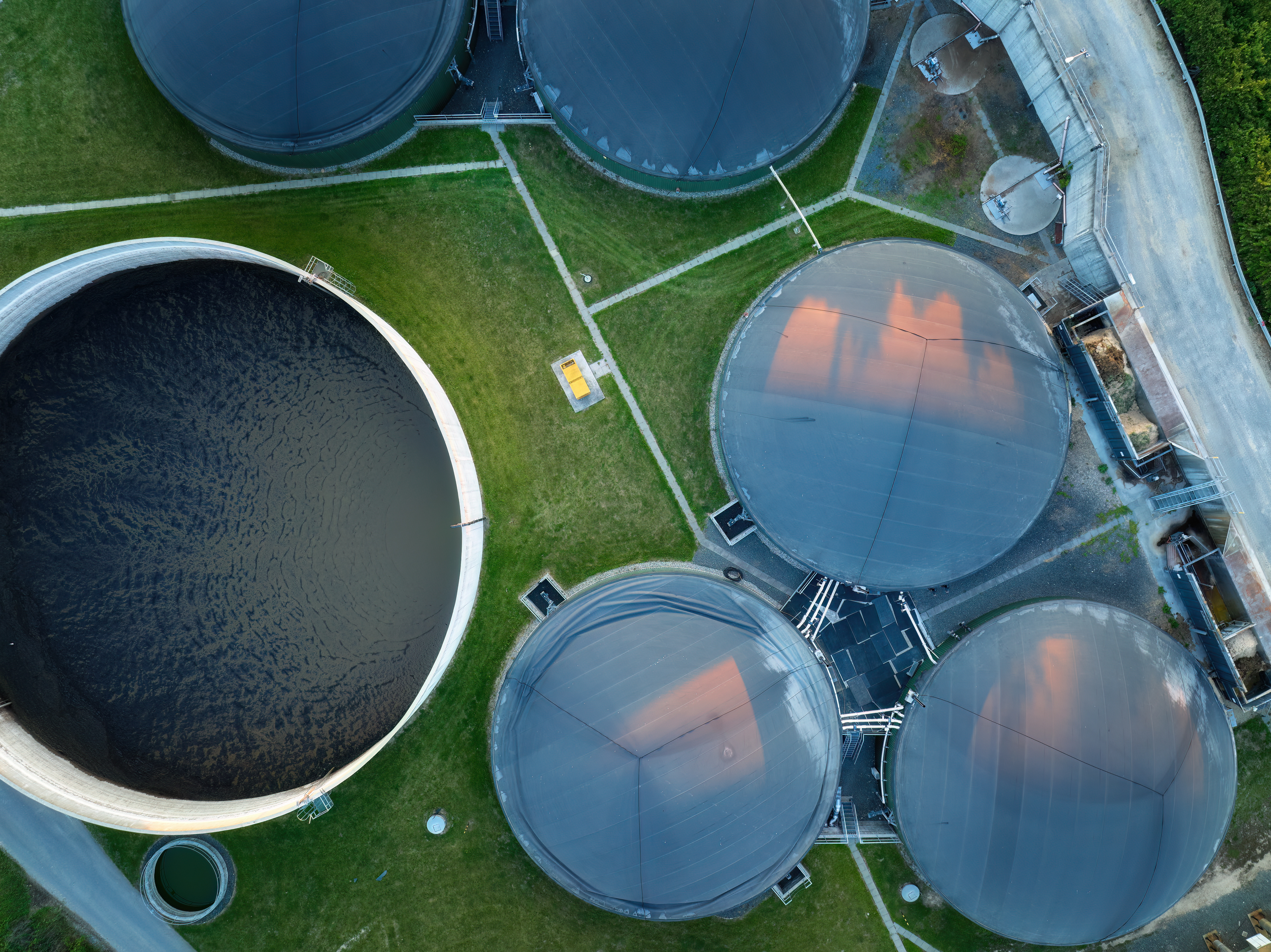
AD plants – over 750 operate across the UK – are running closer to capacity than ever. While national‑level estimates suggest there should be enough room for the additional household waste, the reality on the ground looks different. Regional bottlenecks, slow deployment of new facilities, and the closure risk for smaller AD plants all contribute to a tightening market.
As availability drops, gate fees rise. In recent years, food waste processing costs for AD have climbed sharply, and composting and landfill fees continue to increase. Businesses that once had predictable, steady waste management budgets are now dealing with renegotiated contracts, overweight penalties, contamination surcharges, and, in the worst cases, missed collections due to lack of capacity.
For manufacturers and hospitality businesses that generate unavoidable food waste daily, this creates both operational and financial uncertainty.
Industrial producers are being outcompeted
Local authorities, signing large multi‑year contracts, often gain priority access to AD plants. This leaves industrial waste producers competing for limited remaining space or facing premium pricing. Some operators are also shifting their focus to municipal contracts as renewable energy subsidies phase out, simply because these contracts offer more predictable revenue.
The result is clear: food manufacturers, caterers, and retailers are facing higher bills, less predictable service, and shrinking options.
So what’s the opportunity? Rethinking Waste at the source
Against this backdrop, more businesses are stepping back and asking a smarter question: If the system is becoming more expensive and less reliable, could treating waste on-site be a better option?
On‑site anaerobic digestion has long been discussed, but newer technologies are making it far more viable, especially for businesses without the space or capital to install a conventional digester.
This is where electro‑methanogenic technologies, like the WASE Limited Electro‑Methanogenic Reactor (EMR), start to change the picture.
The value a WASE EMR can bring
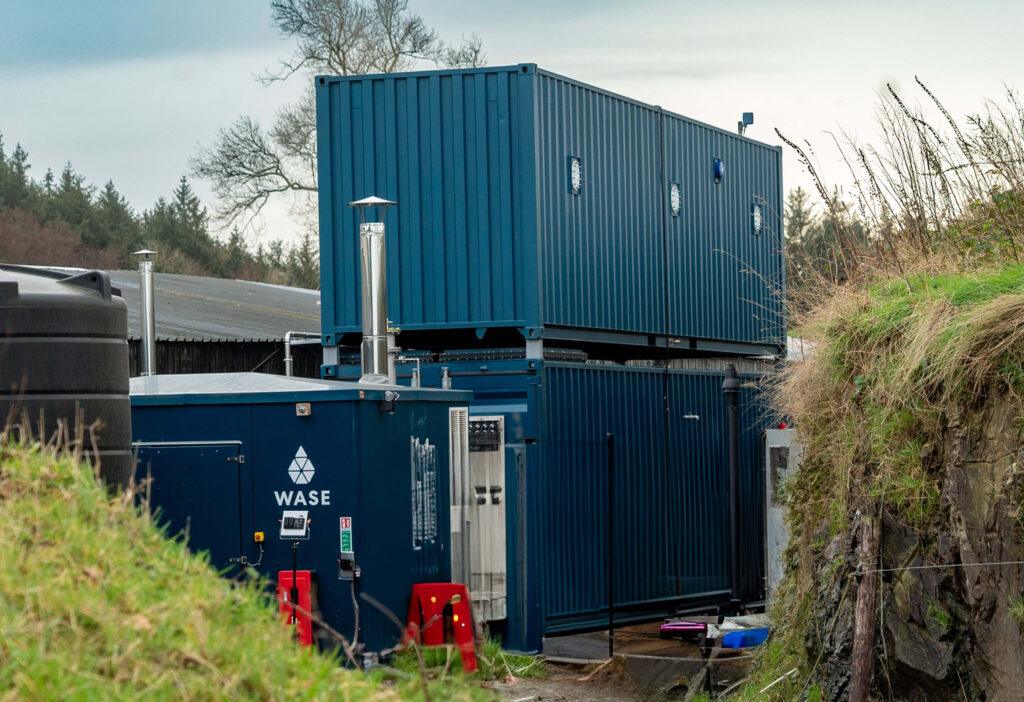
WASE’s EMR technology is designed specifically to give businesses a compact, scalable, and cost‑efficient way to manage organic waste on site, without the complexity of traditional AD setups. Here’s how it helps:
- Stable, Predictable Costs. By treating food waste at the point of generation, businesses dramatically reduce their exposure to volatile gate fees and transport charges. As AD capacity becomes more competitive, the ability to control costs in‑house becomes a meaningful operational advantage.
- Energy Generation, without a Full AD Plant. The EMR accelerates the biological conversion of organic waste into methane‑rich biogas using electro‑stimulation. This means businesses can generate useful energy, heat, electricity, or processed biomethane – without needing the footprint or infrastructure of a large digester.
- Smaller Footprint, Higher Efficiency. Unlike conventional AD systems, EMRs are modular and compact, making them viable for sites that previously would have ruled out on‑site treatment. Their accelerated digestion process also means faster throughput and greater operational flexibility.
- Lower Environmental Impact. By keeping organic waste on‑site, businesses reduce transport emissions and avoid sending material into an oversaturated system. The process also produces digestate that can be repurposed as a nutrient‑rich fertiliser substitute, supporting circularity.
- Operational Resilience. As regulatory landscapes evolve, with Simpler Recycling, Extender Producer Responsibilities (EPR), and rising landfill taxes, businesses with onsite treatment gain greater control and stability. They become far less vulnerable to market fluctuations or bottlenecks in regional infrastructure.
The Bottom Line
As the UK ramps up household food waste collections, industrial producers are being squeezed by rising costs and shrinking capacity at AD facilities. But this challenge is also an opportunity. On‑site solutions like WASE’s Electro‑Methanogenic Reactor give businesses a way to stay ahead – hancutting costs, generating energy, reducing emissions, and building long‑term resilience.
Food waste isn’t going away. But the way we handle it is changing, and for many businesses, the smartest move may be to bring the solution much closer to home. To discuss with the team at WASE about bringing this solution to your business, please reach out and contact us!