COOK – Pudding to power
Discover how WASE’s miniWASE pilot system is helping COOK cut waste, reduce emissions, and generate clean energy on-site. By transforming pudding waste into biogas.
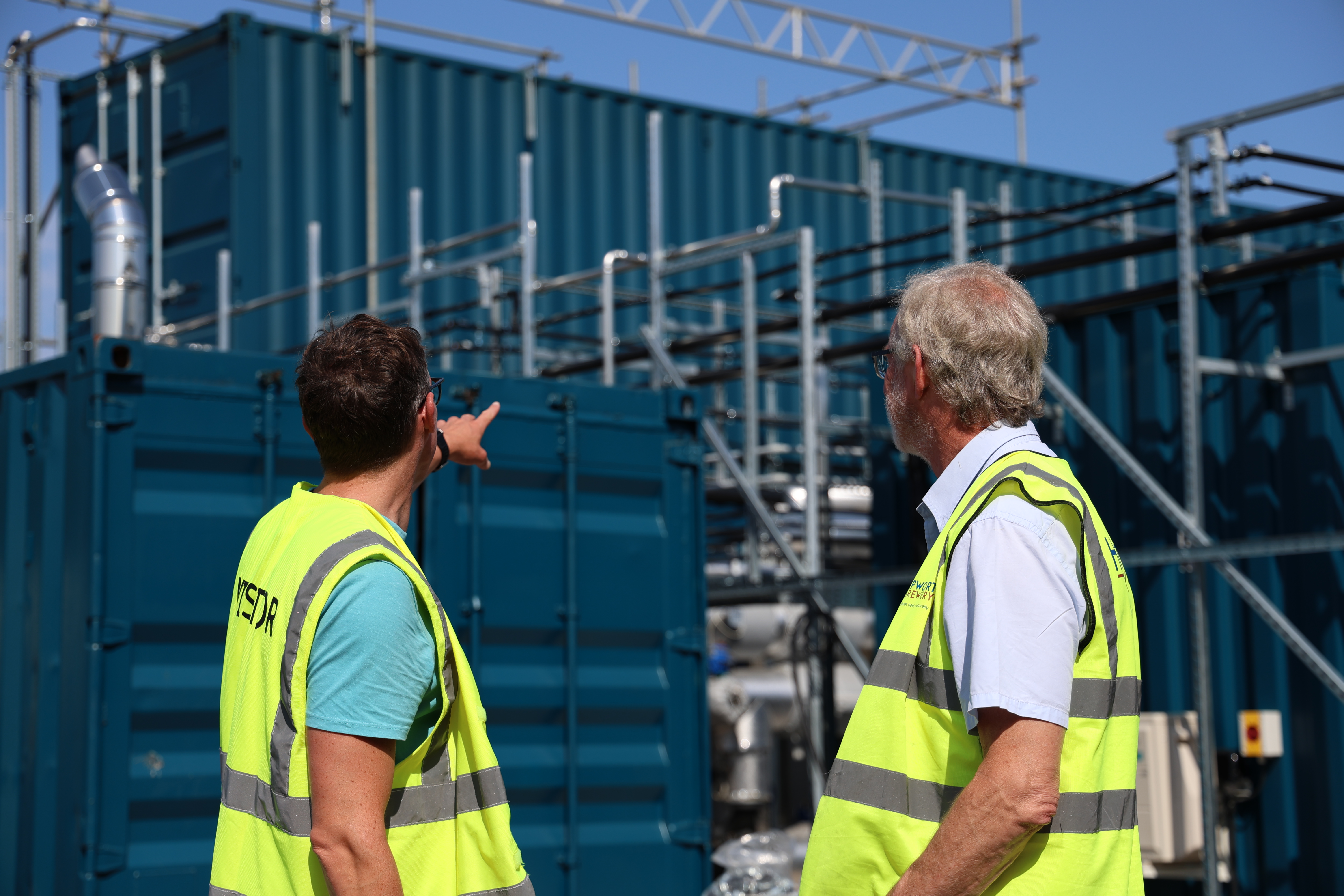
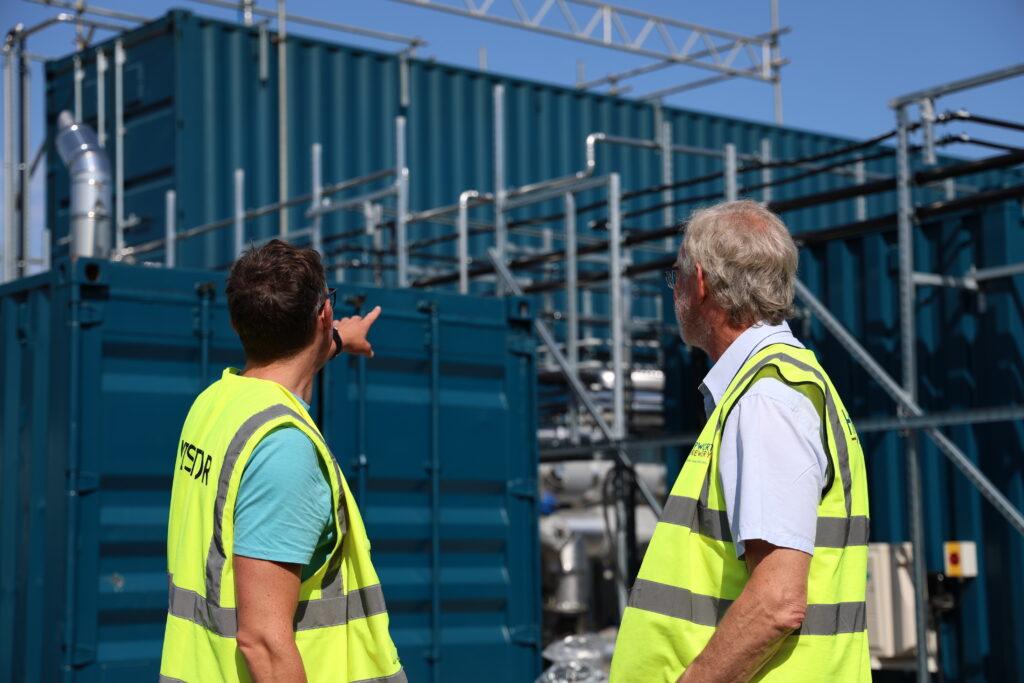
Customer: Hepworth Brewery
Location: West Sussex, UK
Solution: WASE EMR system + CHP
Key Impact: 362 MWh/year renewable energy | 100+ tonnes CO₂ saved annually | 100% On-site Treatment
Hepworth Brewery, an award-winning independent brewer in West Sussex, faced a common industry problem: wastewater. Brewing is water-intensive, often producing up to 6 pints of effluent for every pint of beer. For Hepworth, this meant transporting large volumes of organic-rich wastewater off-site for disposal—a process that incurred high haulage costs, high carbon emissions from tanker movements, and exposure to fluctuating fuel prices.
Situated in an environmentally sensitive, water-stressed region, Hepworth needed a solution that was compact enough for their site but powerful enough to handle their high-strength waste without needing the footprint of traditional Anaerobic Digestion (AD) tanks.
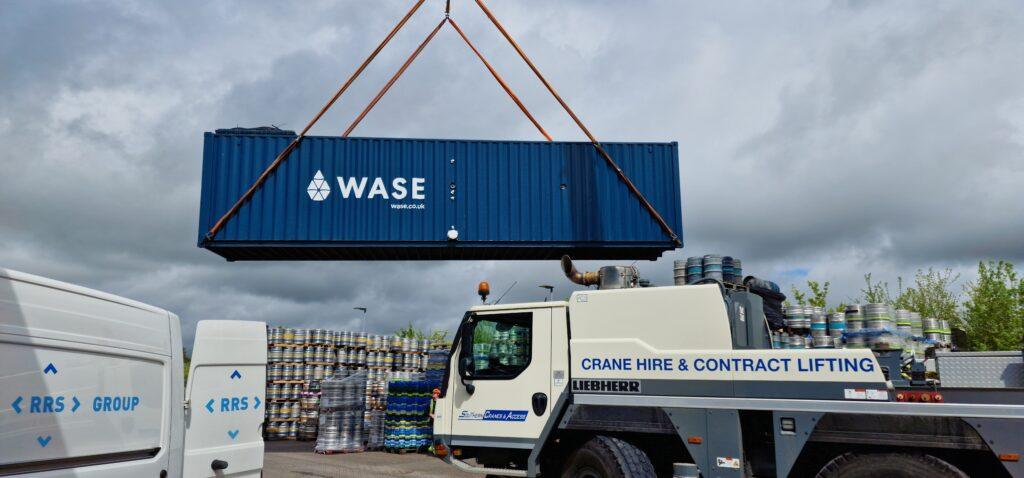
In a pioneering partnership, Hepworth installed the UK’s first full-scale wastewater-to-energy system using WASE’s proprietary electro-methanogenesis technology.
Unlike traditional systems, WASE uses electrically active bacteria to accelerate the breakdown of organic matter. This allows the system to be modular and “plug-and-play,” treating wastewater 3–10x faster than conventional methods.
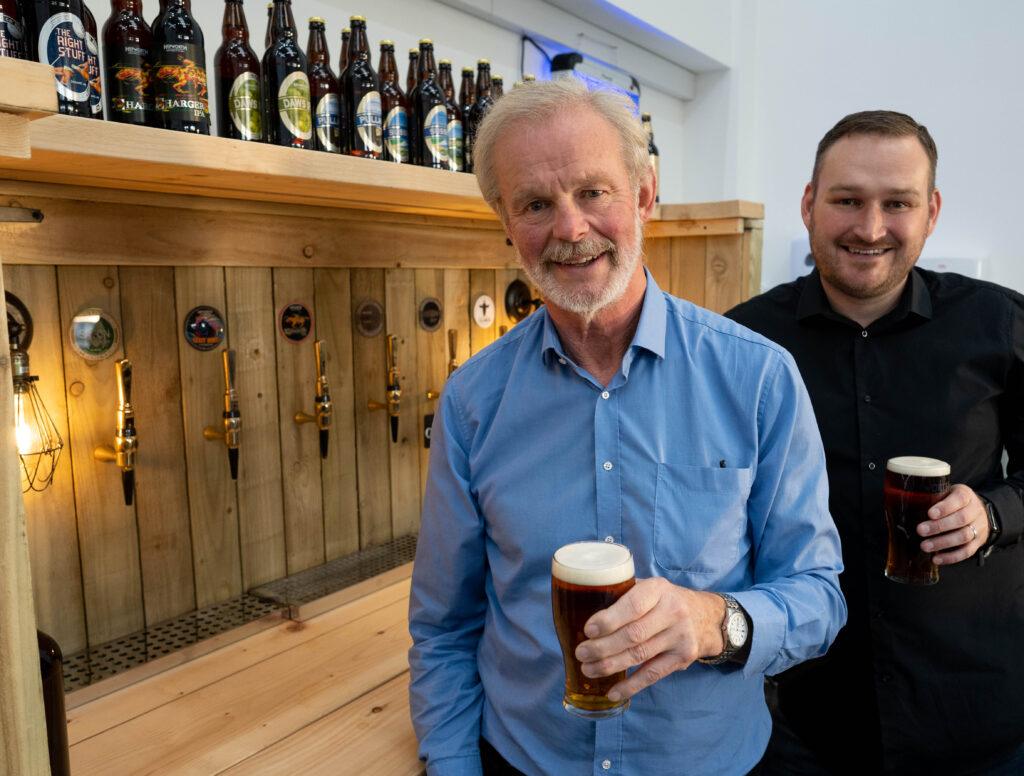
The installation has transformed Hepworth’s wastewater from a “cost centre” into a “resource centre.”
We’re not just reducing our footprint—we’re building resilience into every pint. This project transforms a traditionally linear process into a circular model that benefits the brewer, the environment, and the wider agricultural community.
Andy Hepworth, Founder and Chairman of Hepworth Brewery
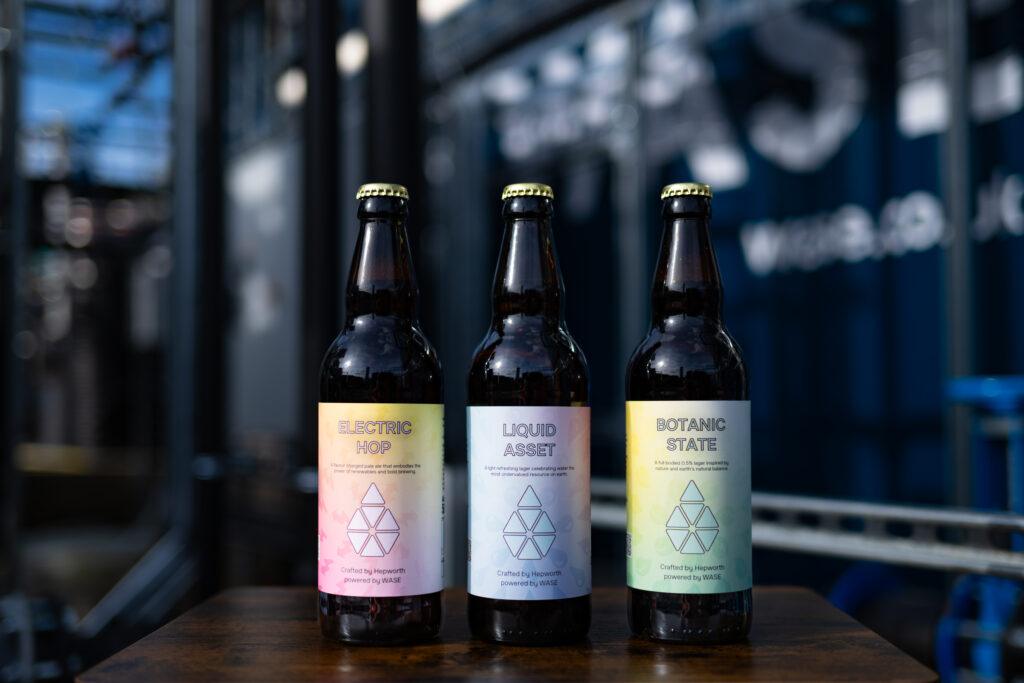
To mark this milestone, Hepworth and WASE launched the Nexus Series—the UK’s first beers powered by wastewater-to-energy technology.15 The trio includes:
Brewed with local Bodiam hops and organic barley from Goodwood, these beers serve as a “bold, practical demonstration” of how the circular economy can be achieved in the food and drink industry today.

Discover how WASE’s miniWASE pilot system is helping COOK cut waste, reduce emissions, and generate clean energy on-site. By transforming pudding waste into biogas.
We treat cattle slurry for compliance, generating renewable energy to power the farm and create new revenue streams.
If you’re interested in finding out more about our technology or how we could work together, we’d love to hear from you.
"*" indicates required fields